
How to Choose a Suture Removal Pack for Hospital
A Suture Removal Pack is a specialized, sterile kit containing the essential tools required to remove surgical sutures safely and hygienically. Selecting the right pack is vital for minimizing the risk of infection and ensuring a standardized procedure across healthcare facilities. Jianda Medical provides high-quality suture removal packs designed for one-time use in hospitals and clinics.
1. Evaluate Component Quality and Functionality
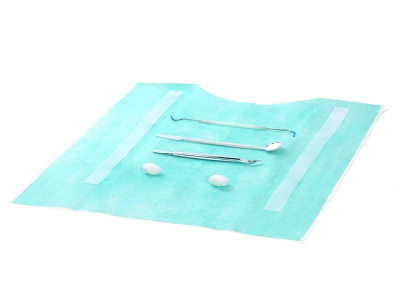
Suture Removal Scissors: These should be made of high-quality stainless steel or medical-grade plastic with sharp blades. A hooked tip is often preferred to easily get under the suture loop without traumatizing the surrounding tissue. Forceps: Forceps must provide a secure grip to hold the suture material during the cutting and pulling process. Look for ergonomic designs that ensure steady control. Gauze Swabs: High-absorbency non-woven or cotton gauze is necessary for cleaning the wound site before and after suture removal. Antiseptic Swabs: Verify if the pack includes prep pads or swabs for site disinfection to maintain aseptic conditions.
2. Verify Sterilization and Packaging Integrity
Sterilization Method: Ensure that the packs are sterilized using Ethylene Oxide (EO). This process ensures that every component within the tray is free from microorganisms. Peelable Pouch: The packaging should be a medical-grade, easy-to-open peel pouch that maintains a sterile barrier until the moment of use. Sterility Indicators: Each pack should feature a visible indicator to confirm it has undergone a complete sterilization cycle.
3. Assess Kit Configuration and Standardization
Basic vs. Comprehensive: Some packs contain only scissors and forceps, while others include trays, drapes, and cleansing agents. Choose a configuration that matches your facility’s standard operating procedures. Standardization: Using pre-assembled kits from established Suture Removal Pack suppliers ensures that every clinician has access to the same tools, reducing procedural variability and saving preparation time.
4. Consider Supplier Reliability and Compliance
Materials are biocompatible and safe for skin contact. Production occurs in a controlled cleanroom environment. The product meets global regulatory requirements for medical devices.