




Technical Specifications and Performance of the N95 Mask
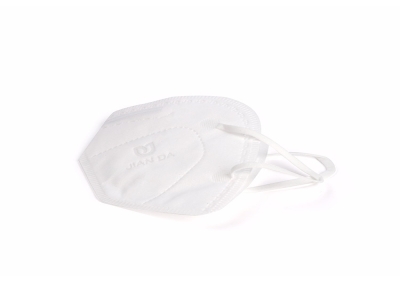
In the hierarchy of respiratory protection, the N95 Mask (particulate respirator) is designed to provide a higher level of filtration than standard surgical masks. It is engineered to achieve a close facial fit and efficient filtration of airborne particles. Understanding the technical construction and performance standards of these respirators is essential for ensuring safety in clinical and industrial environments.
Technical Construction and Filtration Layers
Outer Layer: A durable non-woven fabric that provides the initial structure and protects the inner filter media from large particles and liquid splashes. Filter Layer: The core of the respirator is made of electrostatically charged melt-blown polypropylene. This layer traps sub-micron particles through mechanical filtration and electrostatic attraction. Inner Layer: A soft, hypoallergenic non-woven material designed for skin contact. It absorbs moisture from the wearer’s breath to maintain comfort during prolonged use.
Essential Design Features for a Secure Seal
Adjustable Nose Clip: A malleable metal strip located at the bridge of the nose. It allows the wearer to contour the mask to their specific facial structure, preventing air leakage and reducing eyewear fogging. Dual Headstraps: Unlike earloop masks, N95 respirators typically use two headstraps. This design provides consistent tension and a more secure fit, ensuring the mask remains in place during movement. Structural Integrity: Whether designed as a cup-shape or a foldable model, the mask is built to resist collapsing during inhalation, maintaining a consistent breathing space.
Performance Metrics and Standards
Filtration Efficiency: The mask must filter at least 95% of non-oily particles with a median diameter of 0.3 microns. Breathing Resistance: The respirator is tested for inhalation and exhalation resistance. Lower resistance ensures that the wearer can breathe easily without compromising the filter's integrity. Fluid Resistance: Medical-grade N95 masks (often categorized as Surgical N95s) are also tested for their ability to resist high-pressure fluid splashes, such as blood.
Applications in Clinical and Industrial Settings
Healthcare Facilities: Used during aerosol-generating procedures or when treating patients with airborne diseases like tuberculosis or viral infections. Laboratories: Protecting technicians from hazardous biological or chemical particulates. Industrial Sites: Providing protection against dust, pollen, and other fine particulates generated during construction or manufacturing.