
Cleaning and Disinfection Methods for Medical Caps
The cleaning and disinfection methods for
medical caps should be differentiated based on their material (disposable or
reusable) and application scenarios (e.g., general departments, operating
rooms, or infectious environments). The specific methods are as follows:
I. Disposal Method for Disposable
Medical Caps
Usage Principles
Prohibition of
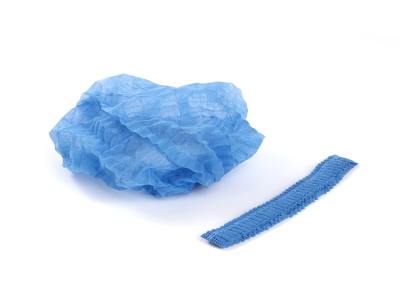
reuse: Disposable medical caps (usually made of non-woven fabric) must be
discarded immediately after use and treated as medical waste.
Discard if
contaminated: If the cap is contaminated by blood or body fluids, or if its
packaging is damaged or damp, it should be replaced immediately.
Disposal Process
After use, place the cap into medical waste
bags (yellow waste bags), seal the bags, and hand them over to professional
institutions for incineration.
II. Cleaning and Disinfection of
Reusable Cloth Medical Caps
Routine Cleaning Methods
Hand washing:
Gently wash with warm water and neutral detergent. Avoid using bleach or strong
acid/alkali cleaners to prevent material damage.
Machine washing
requirements: If the hospital has a laundry room, dedicated washing equipment
should be used. The recommended water temperature is above 60°C, and the
washing time should be ≥ 30 minutes.
Disinfection Methods
Pressure steam
sterilization: The preferred method, applicable to heat-resistant cloth caps
(121°C for 30 minutes or 132°C for 4 minutes).
Chemical
disinfection: In the absence of steam sterilization conditions, soak the caps
in chlorine-containing disinfectants (500~1000mg/L) or 0.2% peracetic acid for
30 minutes, then rinse thoroughly.
Drying and Storage
When drying, avoid direct sunlight. The
caps should be completely dried in a cool and well-ventilated area before being
stored in a clean zone with humidity ≤ 80%.
III. Handling in Special Infectious
Scenarios
Caps Contaminated by Infectious
Substances
Caps contaminated by prions, gas gangrene,
etc., should be sealed separately (in orange infectious fabric bags) and either
disinfected before cleaning in accordance with the WS/T 367 standard or
incinerated directly.
Staff Protection
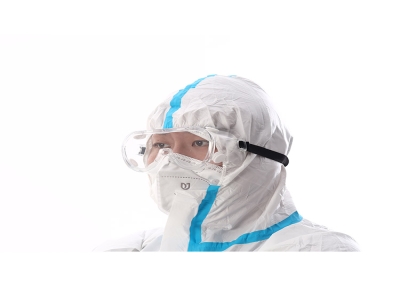
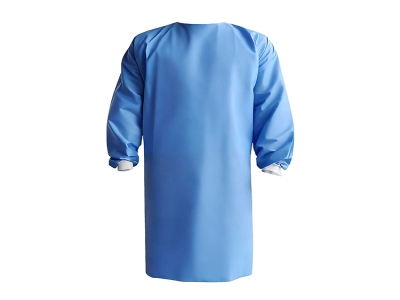
When handling infectious caps, staff must
wear impermeable isolation gowns, masks, goggles, and double-layer gloves.
IV. Precautions
Storage Conditions
Unused medical caps should be stored in a
dry, well-ventilated environment free of corrosive gases, away from fire
sources and high temperatures.
Quality Inspection
Before use, check for damage, mildew, or
stains. For cloth caps, ensure the seams are firm and free of unravelling.
Zoning Management
Clean and contaminated caps should be
stored in separate zones and on separate racks to avoid cross-contamination,
following the "first-in, first-out (FIFO)" principle.
Summary
The cleaning and disinfection of medical
caps must strictly differentiate between materials and risk levels: disposable
caps cannot be reused; cloth caps require high-temperature sterilization or
chemical disinfection; and caps contaminated by infectious substances need
special handling. During operation, attention should be paid to hand hygiene
and personal protection, and the storage environment must comply with specifications.