

How ICU Visitor Protection Packs Balance "Compassionate Care" with "Rigorous Infection Control"?
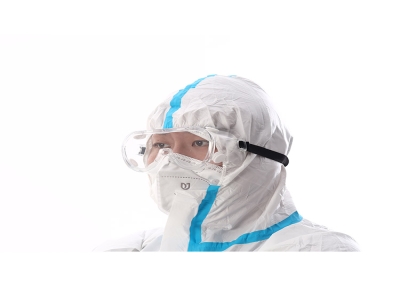
1. Visitors: The Overlooked Mobile Contaminants Unlike professionally trained medical staff, ICU visitors typically come from complex community environments. Their clothing, hair, and shoe soles may carry various external pathogens (such as Multi-Drug Resistant Organisms). For ICU patients, who are often immunocompromised or have open wounds, even common bacteria can be lethal. The ICU Visitor Protection Pack from Jianda Medical blocks this transmission pathway through a "full-coverage" design concept:
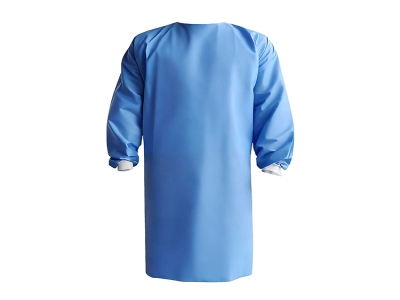
Isolation Gown: Covers the visitor's own clothing, preventing skin squames or dust on clothes from contaminating the patient's environment.
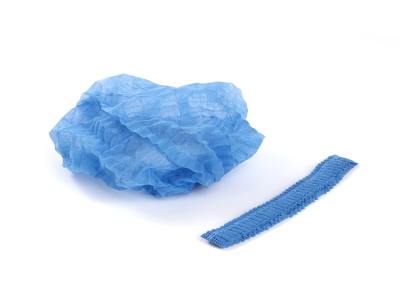
Shoe Covers & Caps: Contain dirt from soles and dander from hair, establishing a physical barrier from head to toe.
2. Process Standardization: Turning Confusion into Compliance In traditional models without dedicated visitor packs, nurses often spend significant time instructing family members: "Go get a mask over there," "Put on that cap," "Change into these slippers." This not only increases the non-clinical workload for nurses but also creates infection control loopholes due to visitor oversight. The "All-in-One Design" revolutionizes this dynamic:
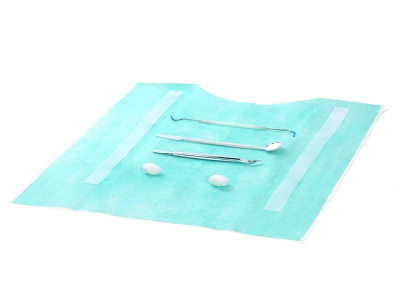
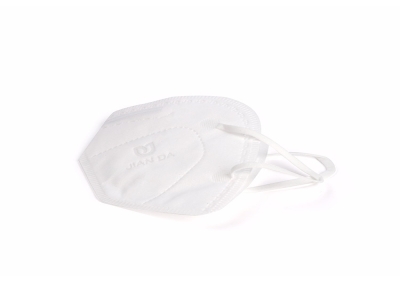
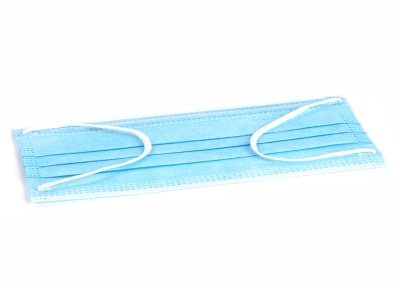
Improving Compliance: Family members simply receive one package containing the complete kit—mask, cap, gown, and shoe covers. This standardized configuration implies a rule of "nothing can be omitted," drastically improving visitor compliance with PPE protocols.
Freeing Up Nursing Resources: Nurses stop acting as "gear managers" and can focus more energy on monitoring patients' vital signs.
3. Ritual: Building a Psychological "Sterile Awareness" Beyond physical protection, the ICU Visitor Protection Pack serves a unique psychological function. When visitors go through the process of donning the full set of protective gear before entering the ICU, the act itself carries a strong sense of "Ritual." It psychologically signals to the visitor: "I am now entering a special, fragile life-space, and I must be cautious." This psychological intervention effectively reduces the likelihood of visitors speaking loudly or casually touching equipment or patient wounds, assisting ward management from a behavioral perspective.
4. Hospital Image and Cost-Effectiveness For healthcare institutions, providing professional, neat, individually wrapped visitor packs—rather than asking families to use communal slippers or reused gowns—significantly enhances the hospital's professional image and brand reputation. Furthermore, from a health economics perspective, while it is a disposable cost, it effectively lowers the risk of Hospital-Acquired Infection (HAI) outbreaks. Compared to the exorbitant costs of treating a single drug-resistant infection, the preventative visitor pack is undoubtedly a cost-effective investment in infection control.
Conclusion The ICU Visitor Protection Pack is a microcosm of humanistic care in modern critical medicine. With a thin layer of non-woven fabric, it protects patients from infection while gently preserving the right of families to hold their loved one's hand. It is a line of defense for infection control, but also a bridge for emotional connection.