The Anatomy of Protection: Deconstructing the 5-Layer Filtration Architecture of KN95 Masks
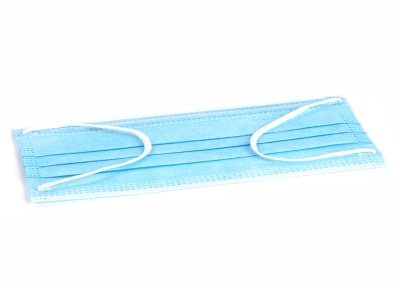
1. The 5-Layer Defense Matrix: More Than Just Stacked Fabric While standard medical masks typically feature a 3-layer structure, a genuine KN95 mask utilizes a 5-Ply Construction. This is not a simple accumulation of materials but a precise division of labor:
Outer Layer (Anti-Fluid Layer): Made of hydrophobic non-woven fabric, this first line of defense effectively blocks droplets, blood, and large dust particles, preventing fluids from penetrating and neutralizing the electrostatic field of the inner filter layers.
Core Filtration Layers (Double Melt-blown Fabric): This is the "heart" of the mask. Jianda Medical employs two layers of electret Melt-blown Nonwoven. Unlike the physical interception of ordinary fabrics, melt-blown fabric uses Electrostatic Adsorption to actively capture non-oil particles as small as 0.3 microns (such as bacteria and viral vectors) with a capture efficiency of ≥95%.
Support Filtration Layer (Hot Air Cotton): Positioned between or after the melt-blown layers, this provides structural support and further fine dust interception while enhancing the mask's loft and thermal insulation.
Inner Layer (Skin-friendly Layer): Made of ultra-soft non-woven fabric, this layer directly touches the face. It possesses excellent moisture absorption and breathability, absorbing exhaled moisture to keep the face dry and reduce irritation or allergies during prolonged wear.
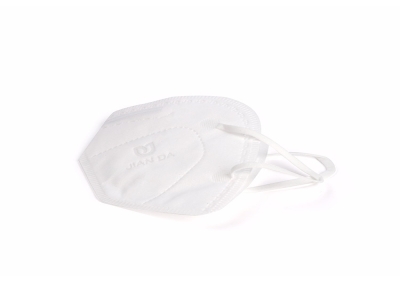
2. 3D Aerodynamic Chamber: The Engineering Solution to Leakage Even the highest filtration efficiency is rendered useless if air leaks around the edges. Traditional flat masks tend to collapse against the mouth and nose during inhalation, hindering breathing and causing side leakage. The KN95 features a 3D Structured Design, creating a stable "breathing chamber" around the mouth and nose.
Zero-Gap Fit: Combined with an adjustable concealed Nose Clip, it ensures the mask edges tightly seal against the nose bridge and facial contours, effectively preventing unfiltered air from bypassing the filter.
Optimized Breathing Resistance: The larger surface area reduces the resistance of airflow per unit area, allowing wearers to maintain smooth breathing even during high-intensity work.
3. The GB2626 Standard: Backed by Rigorous Testing "KN95" is not just a model number; it signifies respiratory protective equipment that complies with the Chinese National Standard GB2626-2006/2019. This means every qualified mask must undergo stringent testing, including:
Filtration Efficiency Test: Must achieve ≥95% efficiency against NaCl particles.
Breathing Resistance Test: Ensures inhalation and exhalation resistance remain within safe limits.
Headband Tensile Strength Test: Guarantees durability against breakage during active use.
4. Versatility in Application Thanks to its superior filtration performance, the Jianda KN95 mask is not limited to clinical medical settings (non-invasive procedures) but is equally effective for:
Industrial Protection: Blocking dust from grinding and crushing operations.
Public Health: Providing personal protection superior to standard surgical masks during flu seasons or epidemics.
Environmental Protection: Defending against PM2.5 smog and pollen allergies.
Conclusion Choosing KN95 is choosing a more rigorous philosophy of respiratory safety. By understanding its 5-layer filtration architecture and 3D sealing technology, we see not just the physical product but the engineering pursuit of "absolute safety" behind it. For responsible procurement decision-makers, this is the key differentiator between a "qualified product" and a "superior product."