
What are the main functions of a surgical drape?
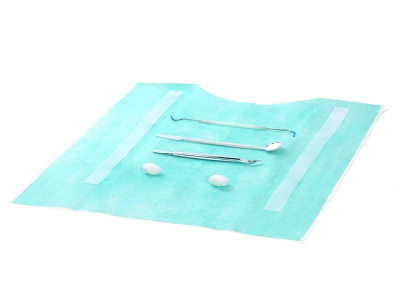
A surgical drape is a specialized sterile protective device used in
surgical settings. Its core value lies in maintaining a sterile environment
during surgery, reducing infection risks, and providing auxiliary support for
surgical operations by relying on physical barrier structures and functional
designs. Below is a detailed analysis of its core functions, integrated with
various authoritative sources:
I. Core Functions
1.Establishing an Aseptic Barrier
Isolating pollution sources: It covers the skin around the patient's
surgical site, blocking bacteria, dust, and other contaminants on the skin
surface from invading the surgical wound, thereby reducing the probability of
postoperative infection at the source.
Enabling two-way protection: It not only prevents body fluids (such as
blood and tissue secretions) generated during surgery from spreading back to
the medical staff's body surface but also stops external contaminants from
contacting the surgical area, lowering the risk of cross-infection.
Using high-barrier materials:
Modern surgical drapes are mostly made of medical non-woven fabrics or
laminated composite materials, which possess waterproof, breathable, and
microorganism penetration-resistant properties, and their performance complies
with the YY/T 0506 Medical Device Industry Standard.
2.Assisting Efficient Surgical Execution
Precisely exposing the surgical field: Through preset standardized
apertures (with an aperture range of 1-50 cm), it achieves accurate positioning
of the surgical area, ensuring a clear operating field for doctors while
minimizing unnecessary exposure of non-surgical sites.
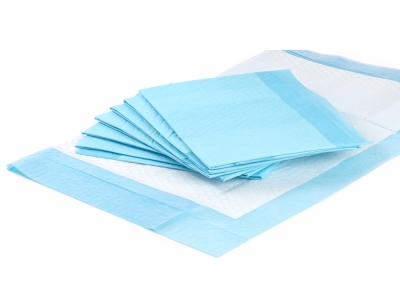
Optimizing fluid management: Some drapes integrate absorbent layers or
fluid collection bags, which can directionally collect blood and irrigation
fluids generated during surgery, effectively maintaining a dry environment in
the surgical area.
Enhancing fixing convenience: Equipped with elastic straps or medical
adhesive designs, it ensures the drape fits closely to the skin, reducing the
possibility of displacement during surgery and minimizing operational
interference.
3.Ensuring the Safety of Both Patients and Medical Staff
Safeguarding patients: By covering non-surgical areas, it not only
protects patients' privacy but also reduces the risk of hypothermia (e.g.,
specialized thermal insulation surgical drapes), minimizing additional health
hazards during surgery.
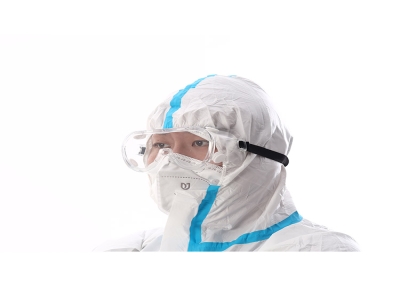
Strengthening protection for medical staff: It blocks the contamination of
medical staff by splashing body fluids during surgery, reducing the risk of
occupational exposure and providing operational safety guarantees for medical
staff.
II. Extension of Special Functions
1.Enhancing Aseptic Protection Effect
Some specialized drapes undergo iodophor-impregnated treatment (commonly
used in surgical scenarios such as orthopedics and cardiac surgery), which can
further inhibit the activity of microorganisms around the surgical incision and
improve the local aseptic level.
High-performance surgical drapes have a liquid barrier capacity of over
100 cmH₂O, which can be
adapted to surgical scenarios involving heavy bleeding or long-term surgical
operations, maintaining the aseptic stability of the surgical area.
2.Adapting to Multiple Application Scenarios
Customization based on surgical types: Specialized customized drapes are
designed for different surgical sites such as the head, chest, and abdomen to
meet the operational needs of various surgical procedures.
Expanding equipment protection: It can be used to isolate the surfaces of
equipment such as surgical instrument tables and medical display screens,
avoiding indirect contamination caused by the contact between instruments and
the external environment.
III. Collaborative Application with Other Instruments
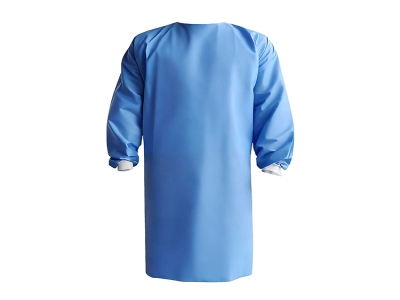
Surgical drapes are usually used in collaboration with soft medical
devices such as surgical gowns and sterile surgical sheets to jointly construct
a complete surgical sterile barrier system (SSB). Their performance indicators
must meet the requirements of the Catalogue of Medical Devices and the YY/T
0506 Industry Standard to ensure the reliability of the overall aseptic
protection system.
Summary
The core function of surgical drapes is to construct an aseptic operating
environment, assist in the smooth progress of surgery, and achieve two-way
protection through physical isolation mechanisms and functional designs. With
the development of technology, the continuous optimization of their materials,
structures, and performance (such as the design of absorbent layers and
iodophor-impregnated processes) has further improved the safety and efficiency
of surgical operations. In practical selection, comprehensive consideration
should be given to the type of surgery, individual patient needs, and product
performance parameters to match the protection and operational requirements of
specific surgical scenarios.