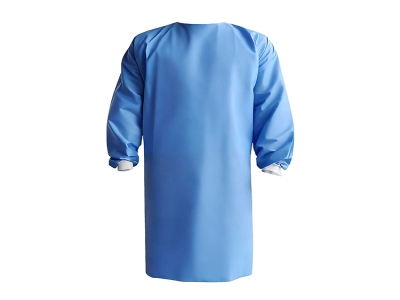
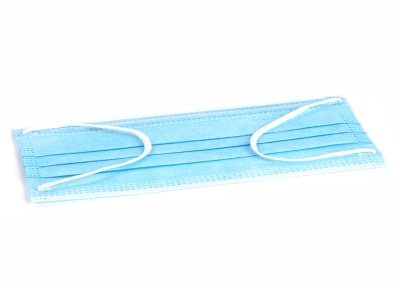
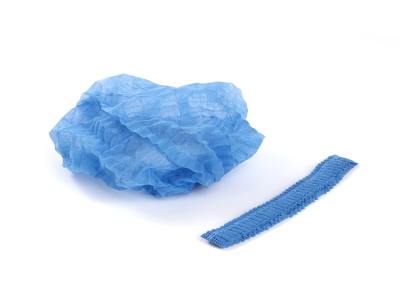
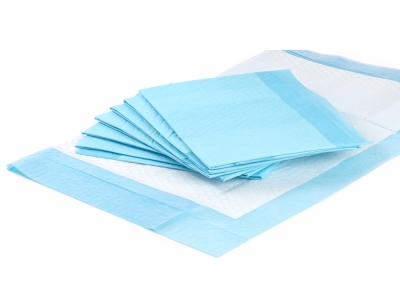
What is the production principle of medical non-woven dressings?
The production principle of medical
non-woven dressings is mainly based on non-woven technology, which directly
bonds fibers into fabric through physical or chemical methods, eliminating the
spinning and weaving steps required in traditional textile processes. Its core
principles and process flow are as follows:
I. Fiber Raw Materials and Pretreatment
Raw Material Selection
Commonly used fibers for medical non-woven
dressings include:
Synthetic fibers: Polypropylene (PP),
polyester (PET), polyamide (PA), etc., which feature good chemical stability
and high strength.
Natural/regenerated fibers: Viscose fibers
(rayon), chitin fibers, etc., used to improve skin-friendliness or
antibacterial properties.
Functional additives: Such as alginate,
carbon fibers, etc., used to enhance liquid absorption, antibacterial, or
adsorption performance.
Fiber Processing
Raw materials go through processes like
opening and carding to form a fluffy fiber web. In some processes, different
fibers need to be mixed to optimize performance (e.g., combining hydrophilicity
and hydrophobicity).
II. Web Formation Technology
Based on the formation method of fiber
webs, the main technologies are divided into the following types:
Dry Web Formation
Air-laid web formation: Fibers are blown
onto a web-forming curtain by airflow to form a uniform fiber web, suitable for
short fibers (e.g., wood pulp fibers).
Carded web formation: Fibers are
mechanically carded to arrange them in a directional or random manner,
applicable to synthetic fibers.
Wet Web Formation
Fibers are suspended in water, and a fiber
web is formed through papermaking technology, suitable for ultra-short fibers
(e.g., length < 20mm).
Direct Polymer Web Formation
Spunbond method: Molten polymer is extruded
through spinnerets, stretched to form continuous filaments, and then directly
laid into a web.
Melt-blown method: High-velocity hot air
blows molten polymer into ultra-fine short fibers, which are randomly deposited
to form a web with finer fiber diameters (on the micron scale).
III. Fiber Web Reinforcement Technology
Mechanical Reinforcement
Spunlace method: High-pressure micro-water
jets are sprayed onto the fiber web to entangle the fibers (flexible
reinforcement without damaging fibers), suitable for highly absorbent
dressings.
Needle-punching method: Barbed needles
pierce the fiber web to entangle the fibers, suitable for thick products (e.g.,
wound filling dressings).
Thermal Bonding Reinforcement
Hot-melt fibers or powders are added to the
fiber web; after heating, they melt and cool to form point-bonded or
surface-bonded structures (e.g., surgical dressings).
Chemical Bonding
Adhesives (e.g., acrylic resin) are sprayed
to reinforce the fiber web, requiring subsequent drying treatment.
Self-Bonding
Filaments produced by the spunbond or
melt-blown method bond to each other using residual heat (e.g., SMS composite
structure: spunbond - melt-blown - spunbond).
IV. Post-Finishing and Sterilization
Functional Treatment
Hydrophilic/hydrophobic coating: Surface
properties are adjusted through dipping or spraying.
Antibacterial treatment: Antibacterial
agents such as silver ions and chitin are added.
Cutting and Packaging
The material is cut into dressing sizes as
required; some products need independent sterile packaging (ethylene oxide
sterilization with a residual amount ≤ 10μg/g).
Environmental Characteristics
PP-based (polypropylene-based) non-woven
fabrics are biodegradable (90 days outdoors, 8 years indoors), meeting medical
environmental protection requirements.
V. Examples of Special Processes for
Medical Dressings
SMS Composite Process
It combines the strength of the spunbond
layer and the filtration performance of the melt-blown layer, and is used for
high-protection dressings (e.g., surgical isolation layers).
Spunlace-Chitin Composite Process
Chitin fibers are added to the
spunlace-entangled fiber web, providing both softness and antibacterial
properties.
VI. Summary
The core of the production principle of
medical non-woven dressings lies in directional/random fiber web formation and
multi-method bonding technology. Through the combination of different
processes, medical requirements such as breathability, liquid absorption, and
bacteria resistance are achieved. Future trends include the application of
biodegradable materials (e.g., PLA) and intelligent dressings (nanoscale
antibacterial).