Enforcing Aseptic Non-Touch Technique (ANTT)
Aseptic Non-Touch Technique (ANTT) is the core standard of modern wound care. However, in traditional models, nurses must assemble forceps, cotton balls, and trays themselves, leaving the standardization of the procedure largely dependent on individual discipline and memory.
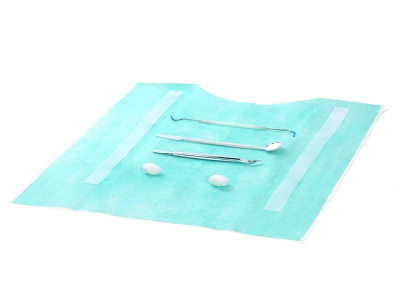
Professionally configured dressing packs "force" guidance for medical staff to follow standard protocols through their physical design. The packs typically include forceps of different colors or specific structures to clearly distinguish the operational boundaries between the "clean hand" and the "dirty hand." The integrated sterile tray acts directly as the sterile field, eliminating the contamination risk associated with searching for extra containers. This intuitive standardized configuration allows even junior nurses to easily meet high standards of aseptic operation, ensuring consistency in nursing levels across the hospital.
Eliminating "Invisible Waste" and "Arbitrariness" in Supply Preparation
In traditional preparation for dressing changes, nurses often grab gauze and cotton balls based on experience. This arbitrariness not only leads to an increase in medical waste (taking too much and not using it) but can also cause interruptions to the procedure to replenish supplies due to insufficient preparation (taking too little), thereby increasing the time the wound is exposed.
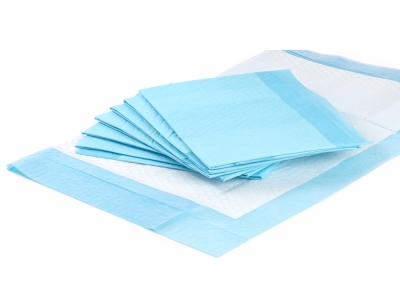
Standardized dressing change packs are precisely calculated to contain the appropriate amount of gauze sponges, cotton balls, and fluid-repellent drapes needed to complete a standard procedure. This quantitative configuration removes the randomness in consumable usage. Not only does it achieve precise cost control, but more importantly, it makes the time and steps of every dressing change operation predictable and replicable.
Enhancing Focus on Bedside Care
When nursing staff no longer need to expend energy checking if forceps are sterilized or fetching scattered dressings from the supply room, their cognitive load is significantly reduced.
The "ready-to-use" nature of disposable dressing packs liberates nurses from tedious logistical preparation. The few minutes saved may seem insignificant, but cumulatively they represent a massive boost in efficiency. It allows nurses to focus more attention on wound assessment (such as observing exudate and granulation tissue growth) and patient communication. This shift from "focusing on items" to "focusing on patients" is key to improving patient satisfaction and treatment compliance.
Conclusion
If wound healing is viewed as a precise chemical reaction, then the disposable dressing change pack is the "stabilizer" that ensures constant reaction conditions. It transcends the category of simple hygiene products to become a strategic tool for hospitals to implement clinical pathway standardization, reduce nursing variability, and enhance overall medical quality. For medical institutions striving for excellence, choosing standardized dressing packs means choosing a professional attitude of responsibility for every wound.