


Why Are Disposable Medical Gloves So Important in the Medical Field?
According to a report in the Journal
of Hospital Infection, 40-60% of pathogens causing hospital-acquired
infections (HAIs) are endogenous pathogens, 20% come from contaminated
environments, and approximately 20-40% originate from the contaminated hands of
healthcare workers.
Healthcare workers frequently come into contact with patients’ blood, secretions, excreta, broken skin, or other objects that may contain infectious pathogens. Therefore, disposable medical gloves are essential protective equipment for them.
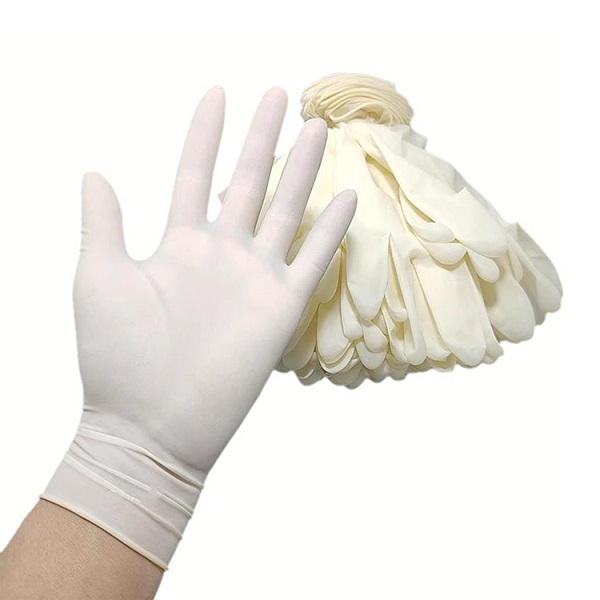
These unhygienic "contaminated
hands" serve as a reminder that we must wash our hands properly and wear
disposable gloves. Some people may wonder: Why do healthcare workers
still need to wear gloves even after washing their hands?
The reason is that handwashing is a brief
action. While proper handwashing can reduce 90% of bacteria on the hands,
healthcare workers’ hands are easily contaminated by transient bacteria—each
procedure they perform may add 100 to 1,000 bacteria to their hands. In
particular, the rate of hospital-acquired infections in ICUs is higher than
that in general wards. The infection transmission chain in ICUs is complex, and
healthcare workers (including nursing assistants) have the highest frequency of
contact with critically ill patients during diagnosis and care.
Literature reports indicate that during
routine nursing procedures, the number of bacteria contaminating hands is
generally 10³-10⁵ colony-forming units per square centimeter
(cfu/cm²). During peak workloads, the bacterial count on hands doubles: when
nurses suction sputum for patients, their hands may be contaminated with up to
10⁶ cfu/cm²
of bacteria; when cleaning patients’ perineal areas, the bacterial contamination on
hands can exceed 10¹⁰ cfu/cm². If healthcare workers do not wash their hands
after contacting patients or contaminated items, the rate of excessive total
bacterial count on their hands reaches 100%. Among ICU staff, the carriage rate
of Gram-negative bacilli can be as high as over 80%.
A large body of data confirms that maintaining hand hygiene is the most fundamental, simple, and effective measure to prevent and control the spread of pathogens, thereby reducing the incidence of hospital-acquired infections. To keep hands clean over an extended period, wearing disposable medical gloves is essential.
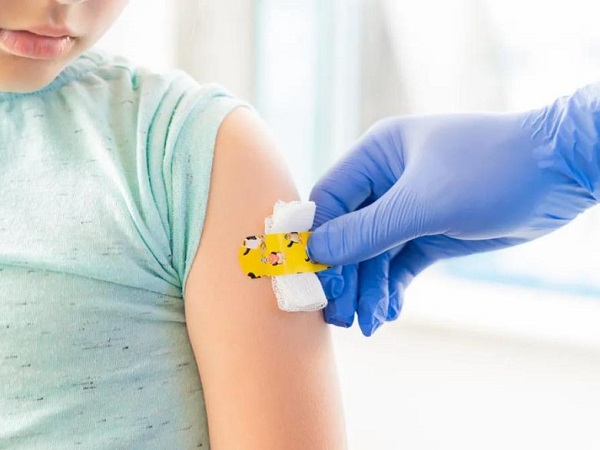
Wearing disposable medical gloves not only
reduces the risk of patients being infected by bacteria but also protects the
health of healthcare workers themselves. It can even be said that gloves reduce
the chance of healthcare workers’ family members and friends being exposed to
pathogens. This is because if healthcare workers carry drug-resistant bacteria
due to not wearing gloves, the bacteria can be cross-transmitted between
patients through hand contact, leading to the spread of drug-resistant strains.
These strains can then spread again in the community (i.e., among contacts)
through the transfer of infected patients. Therefore, healthcare workers wear
gloves primarily to prevent bacterial transmission, thereby protecting
patients, themselves, and other contacts.
Disposable medical gloves have a specific service life. Generally, during surgical procedures, gloves need to be replaced every 90 minutes to prevent damage. However, gloves must be replaced immediately in the following situations:
- After completing a patient examination, make it a habit to
discard the gloves. Avoid touching computers, mobile phones, documents, or
other items while wearing gloves.
- If gloves come into contact with areas that may be contaminated
by pathogens, replace them with a new pair before conducting subsequent
examinations or touching clean areas.
- If gloves are exposed to a patient’s blood or body fluids,
replace them immediately to avoid cross-infection with subsequent
patients.
Timely replacement of disposable medical
gloves may seem like a small step, but it can effectively reduce the incidence
of infectious diseases and is closely related to the health of both doctors and
patients.
Understanding this, healthcare workers can
easily put on and take off medical gloves even during busy work. Jianda
Medical’s medical gloves are soft, safe, and highly reliable—they are truly the
ideal companion for healthcare workers! Dear doctors, while safeguarding
patients’ health, don’t forget to wear gloves correctly to protect yourselves
too!