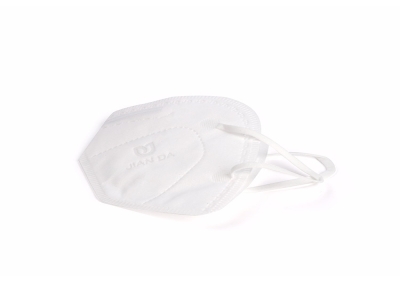
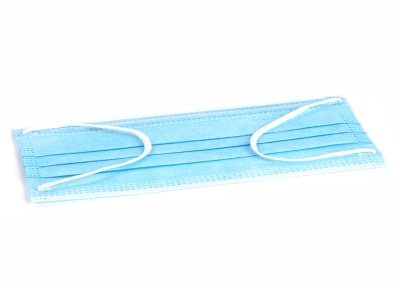
In the era of normalized protection post-pandemic, disposable medical masks have become the most common consumable. However, for decision-makers in hospital infection control or corporate procurement, the dazzling array of "blue 3-ply masks" on the market can be confusing. They look almost identical on the outside, so why do some pass strict medical standards while others serve only as dust masks?
True protection is often hidden in microscopic structures invisible to the naked eye. This article takes you inside the core technology of disposable medical masks to reveal the key factors that determine their performance.
The Core Secret: Not Just "Three Layers of Cloth"
Most disposable medical masks claim a "3-ply protection" structure, but this description is oversimplified. The soul of the mask lies in the middle Meltblown Non-woven Layer.
Ordinary spunbond non-woven fabric can only block large dust particles, whereas the middle layer of a medical-grade mask must undergo a special Electret Treatment. This process charges the fibers with static electricity, enabling them to act like a magnet to adsorb tiny bacteria and aerosols in the air, rather than relying solely on physical pore size to "trap" them.
High-quality medical masks typically achieve a Bacterial Filtration Efficiency (BFE) of 95% or even over 99%. This high efficiency stems not from thicker fabric, but from superior meltblown technology. Therefore, when procuring masks, focusing on BFE data is far more critical than judging by the thickness of the mask.
Fluid Resistance: The Overlooked Defense Line
In clinical settings, the risk to medical staff comes not only from airborne transmission but also from splashes of blood and body fluids. This is the watershed distinguishing "medical" masks from ordinary civilian masks.
The outermost layer (usually blue or green) of a qualified disposable medical mask is made of Hydrophobic Spunbond Non-woven Fabric. This material is treated to have a water-repellent effect similar to a lotus leaf, effectively preventing droplets, blood, or other fluids from penetrating and soaking the mask. If the outer layer lacks this fluid resistance, once the mask becomes damp, the electrostatic adsorption capability of the middle layer fails rapidly, and the moist channel can actually accelerate pathogen penetration.
Breathing Resistance: The Key to Compliance in Prolonged Wear
Does higher protection efficiency necessarily mean harder breathing? This used to be a technical contradiction, but it has been resolved in modern manufacturing processes.
Professional mask manufacturers optimize fiber arrangement to strictly control Differential Pressure (Delta P) while ensuring high filtration efficiency. Differential pressure is the core indicator of breathability. Low-quality masks often crudely increase density to meet filtration standards, causing stuffiness for the wearer. This not only affects work efficiency but may also lead users to frequently touch or remove the mask, paradoxically increasing infection risk. Premium medical masks strike a perfect balance between high protection and low breathing resistance.
Conclusion
Do not be deceived by uniform appearances. When you choose a disposable medical mask, you are buying more than a piece of fabric; you are purchasing a precise air filtration system. From the electret-charged meltblown core to the hydrophobic outer design, every invisible detail is a cornerstone in building a sterile barrier. When it comes to medical safety, choosing professional products with strict certification is the most responsible investment in life.